
Two years ago, a product manager at a European e-MTB brand had an easy decision: Bosch, Shimano, maybe Brose or TQ. In internal debates, a Chinese motor meant the budget segment. In 2026 that picture has flipped, and I think most SMEs have not yet drawn the conclusion.
What DJI brought
In June 2025, DJI's e-bike drive, Avinox, was used by around 12 bike brands. By April 2026, when the M2 and M2S launched, the company was citing more than 60 manufacturer partners, including Canyon, Mondraker, Commencal, Pivot, BH, Raymon and Orange. That is fivefold growth in a year, and much of the list is European.
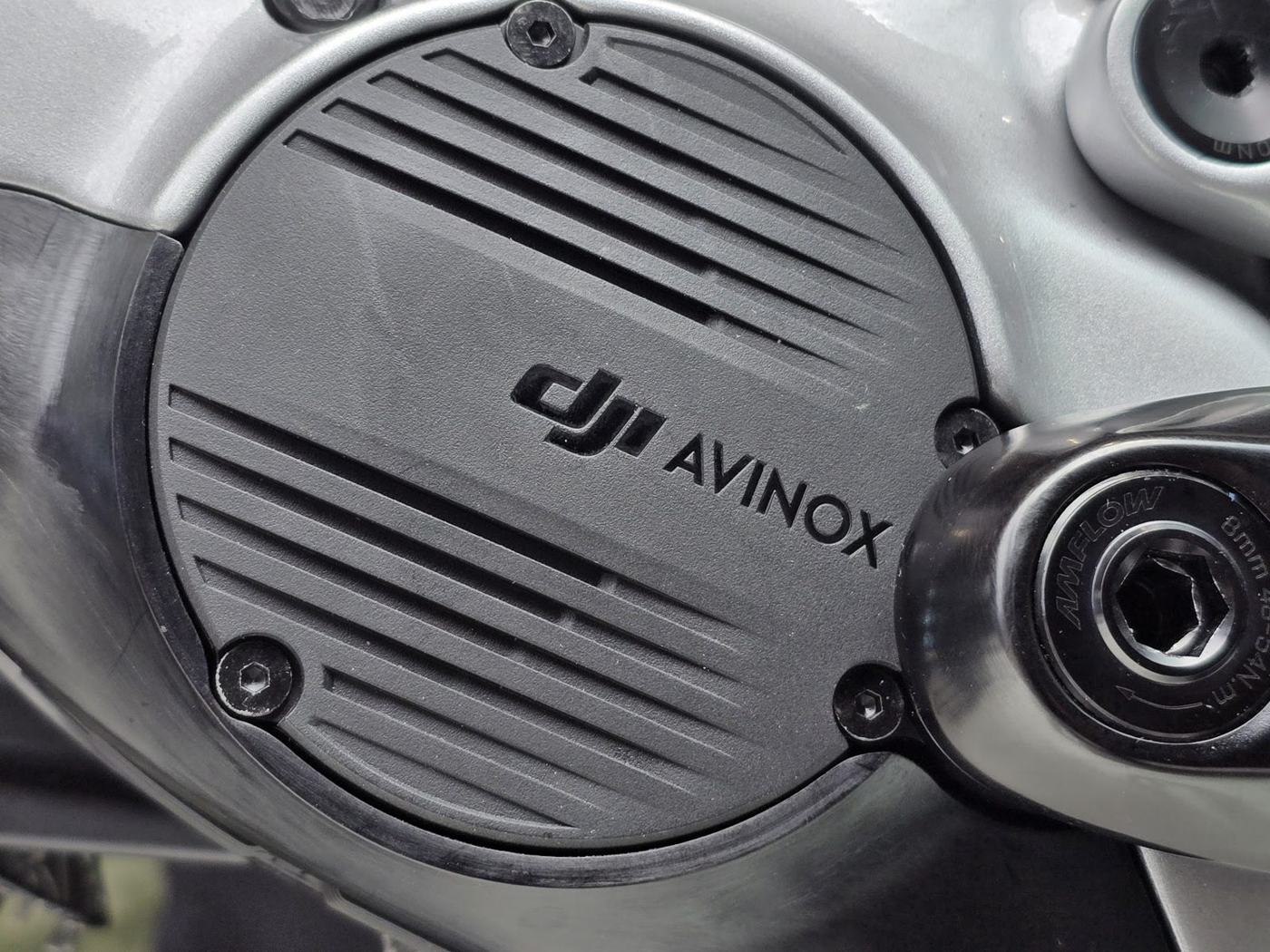
The numbers DJI leads with target the premium e-MTB buyer: the M2S claims 150 Nm of torque and 1,500 W peak power, the M2 125 Nm and 1,100 W, both at around 2.6 kg. Add fast charging, an OLED display, navigation and Apple Find My integration. At Eurobike 2026, Avinox also showed a motor-gearbox concept developed with Canyon, Commencal, Forbidden and Mondraker.
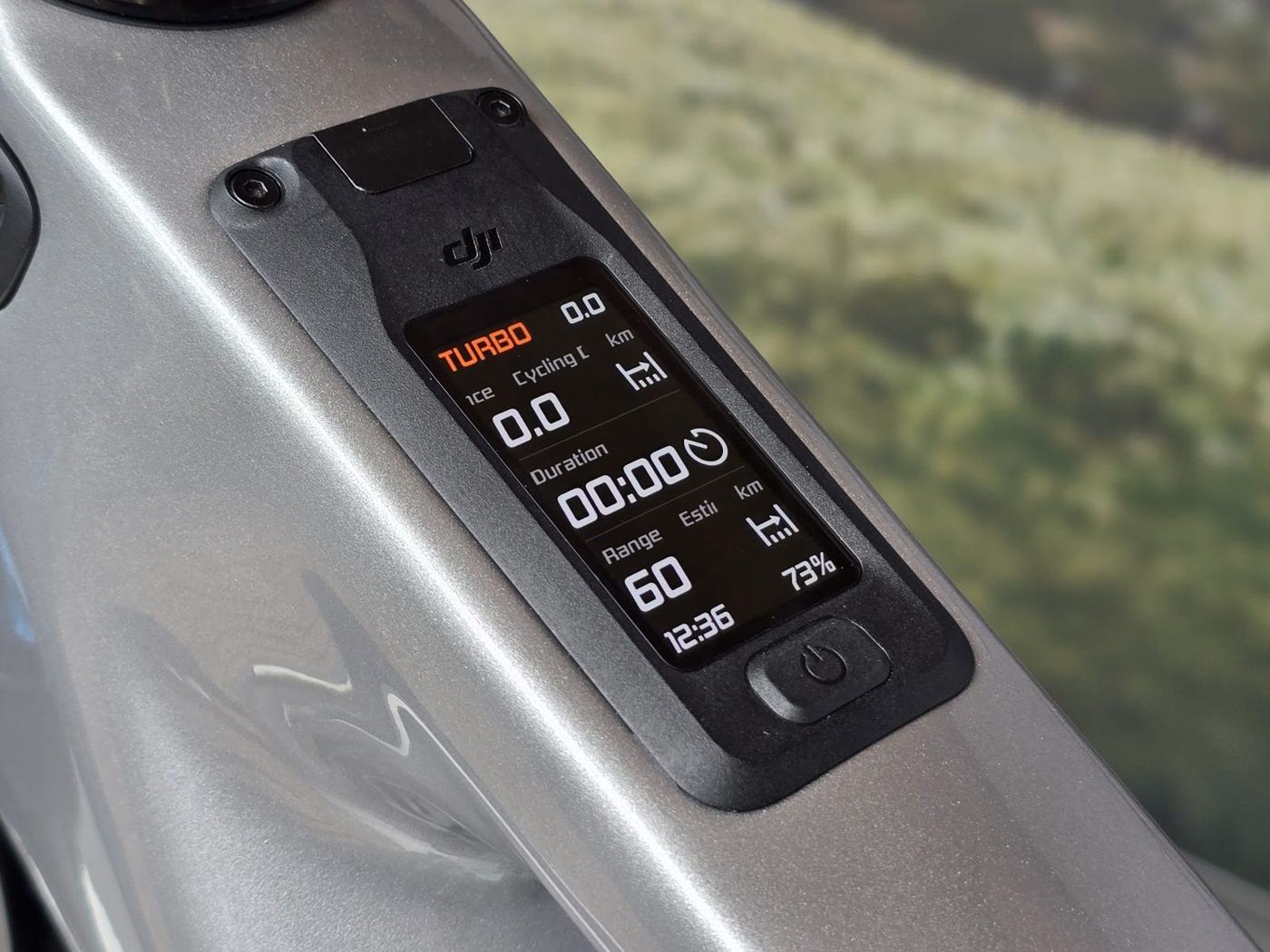
DJI does not think like a bike component supplier. It thinks like a consumer electronics company: fast development cycles, software, display, app, and a complete system a brand can drop in. That is what is shaking the incumbents.
Gobao attacks from another direction
Gobao launched its System X platform at Eurobike 2026. The core is an electronically controlled continuously variable transmission (E-CVT) built into the motor: the X1 with 120 Nm for city and trekking bikes, the X1P with 150 Nm for cargo and e-MTB. Both share the same mounting dimensions, mass production is scheduled for February 2027, and the company has a German GmbH.
Where DJI wins on power and digital experience, Gobao rethinks the drivetrain. In cargo and urban bikes, where low maintenance and durability matter most, that is at least as big a threat to incumbents as DJI is on the trail.
Bosch responds, and opens up
Bosch is not standing still. In May 2026, a software update raised Performance Line CX and CX-R output to 120 Nm and 750 W peak, which the trade press read clearly as a response to Avinox. More important is what is happening in the background.
In March, Bosch launched its Connected Biking platform, giving external partners API access: manufacturers, dealers, fleet operators, leasing and insurance companies. In May came the Live Data Interface, a free, open Bluetooth interface that sends motor data to Garmin Edge computers. Germany's BIKE magazine described it as a break from Bosch's historically closed approach. The battery, however, stays proprietary.
That, to me, is the point: Bosch has realised that a closed ecosystem only protects you while there is no credible alternative. Now there is.
What this means for an SME
If you run an e-bike brand, or a parts, service or fleet business, I see four things.
- Drive choice is now a market entry decision. A dealer is not just choosing a bike, but a service experience. In a new country, the first questions are: who trains us, who handles warranty, is there a diagnostic tool? Bosch starts with a decade-long lead here; DJI's and Gobao's dealer networks are still being built.
- Your negotiating position has improved. With two credible alternatives, even a smaller brand can get better terms from any supplier: lower minimum quantities, marketing support, better lead times.
- Open interfaces open business models. Fleet, leasing, insurance, theft protection: until now, these needed the system supplier's permission. Now there is an API.
- Do not forget regulation. In the EU, the pedelec category allows a maximum continuous rated power of 250 W and assistance up to 25 km/h. Peak power figures look good in marketing, but compliance must be checked per model and per market.
My read
I do not think DJI will take Bosch's place. Bosch's strength is its dealer network, training and warranty system, and that cannot be copied in a year. But Chinese suppliers are no longer competing on price. They are competing on product and development speed. Anyone entering a new market in 2027 should treat drive choice not as a technical detail, but as partner strategy.
Sources
- Singletrack: 12 bike brands using the DJI Avinox motor (June 2025)
- Electrek: Avinox launches new ultra-high-power motor systems (9 Apr 2026)
- BikeRadar: Avinox is taking over (27 Apr 2026)
- Bike Europe: How Gobao's System X is rewriting the rules (25 Jun 2026, sponsored content)
- eBikes International: Eurobike 2026 highlights (1 Jul 2026)
- road.cc: Bosch beefs its motor output to 120Nm (1 May 2026)
- ZAG Daily: Bosch launches Connected Biking platform (25 Mar 2026)
- BIKE Magazin: Bosch Live Data Interface (1 May 2026)